Most business strategies look sound on paper. They arrive with numbers, timelines, vision decks, and confident endorsements. They receive applause in boardrooms and alignment emails across organizations.
How Matsa Can Help
Matsa’s one-stop advisory services are available for all sizes of
enterprises, large or small, and
cover the full range of
procedures across the whole industry.
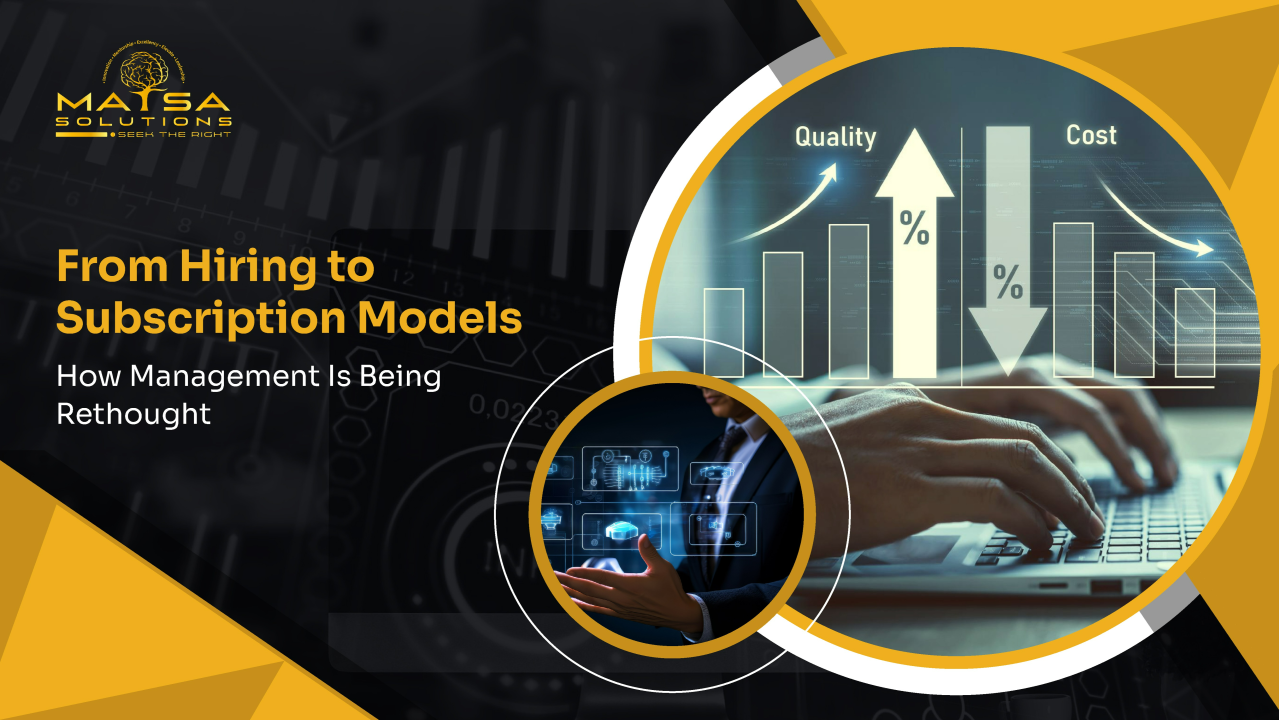
Once, building a company meant building a team. Today, it increasingly means building capability. For decades, hiring has been the default answer to almost every business challenge.
Every year, organisations invest significant capital into new ideas. New platforms. New markets. New delivery models. New technology bets.

India is now home to the largest ecosystem of Global Capability Centers (GCCs) in the world, underscoring the country’s transformation from a low-cost offshore destination into a strategic innovation hub.
Most founders today are not short on effort. They are exhausted. Their calendars are full from morning to night. Teams are constantly moving.
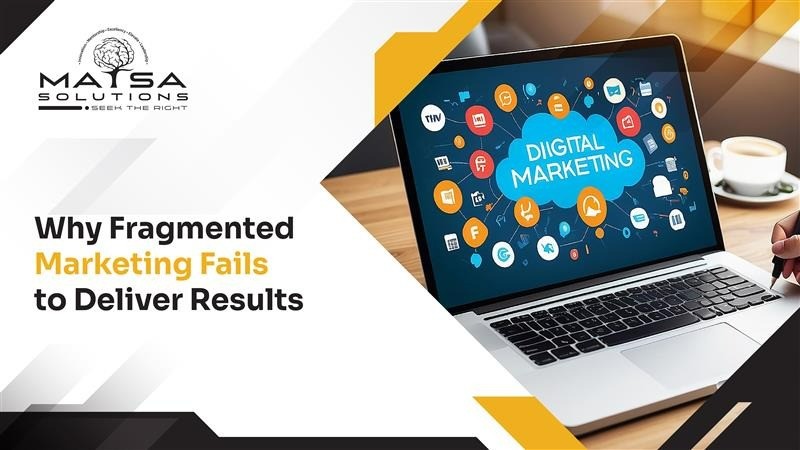
A few years ago, marketing was simpler. A brand picked a handful of channels, crafted a message, and pushed it consistently. If results lagged, the answer was usually to spend more, create more, or shout louder.

As the year winds down and teams step away from screens to spend time with family, one quiet question tends to surface for business leaders before the calendar turns.
For many global companies, India is no longer an offshore location. It has become a strategic operating geography. Engineering teams in India ship core product features.
Every December brings a pause. Boards slow down. Founders reflect. Leadership teams look back at what worked, what evolved, and what remained unfinished despite genuine effort.
-Over-Full-Time-Hiring.jpeg)
If you sit through enough boardroom conversations, leadership reviews, or strategy meetings, a familiar pattern starts to emerge.
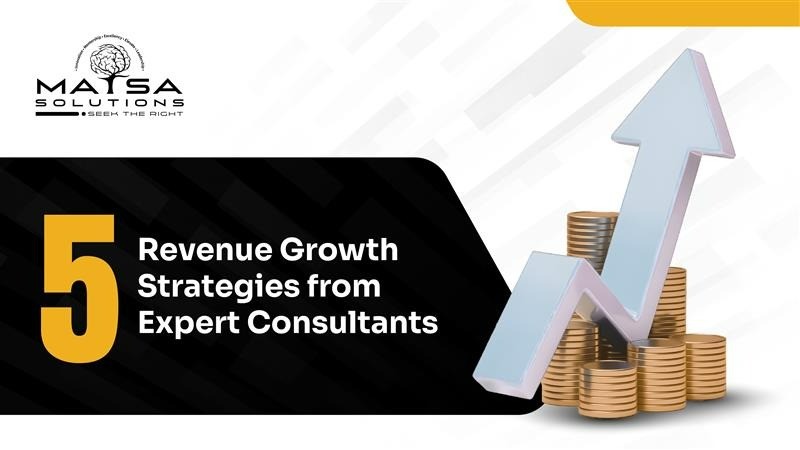
Revenue growth is rarely blocked by lack of ideas. It slows down when execution fragments, systems don’t scale, and decisions rely on assumptions instead of signals.

Growth rarely slows because leaders lose ambition. It slows because the systems underneath the business cannot keep up with the vision above it.
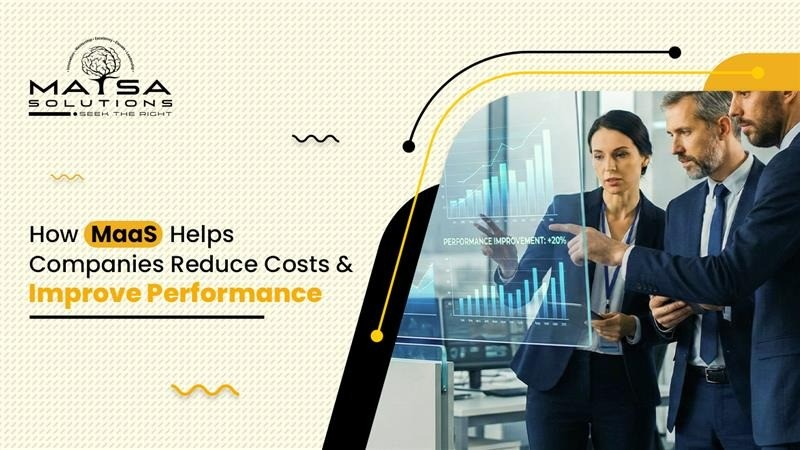
Enterprises today face rising operating costs, fragmented processes, and execution bottlenecks. Traditional hiring or outsourcing models are no longer enough.
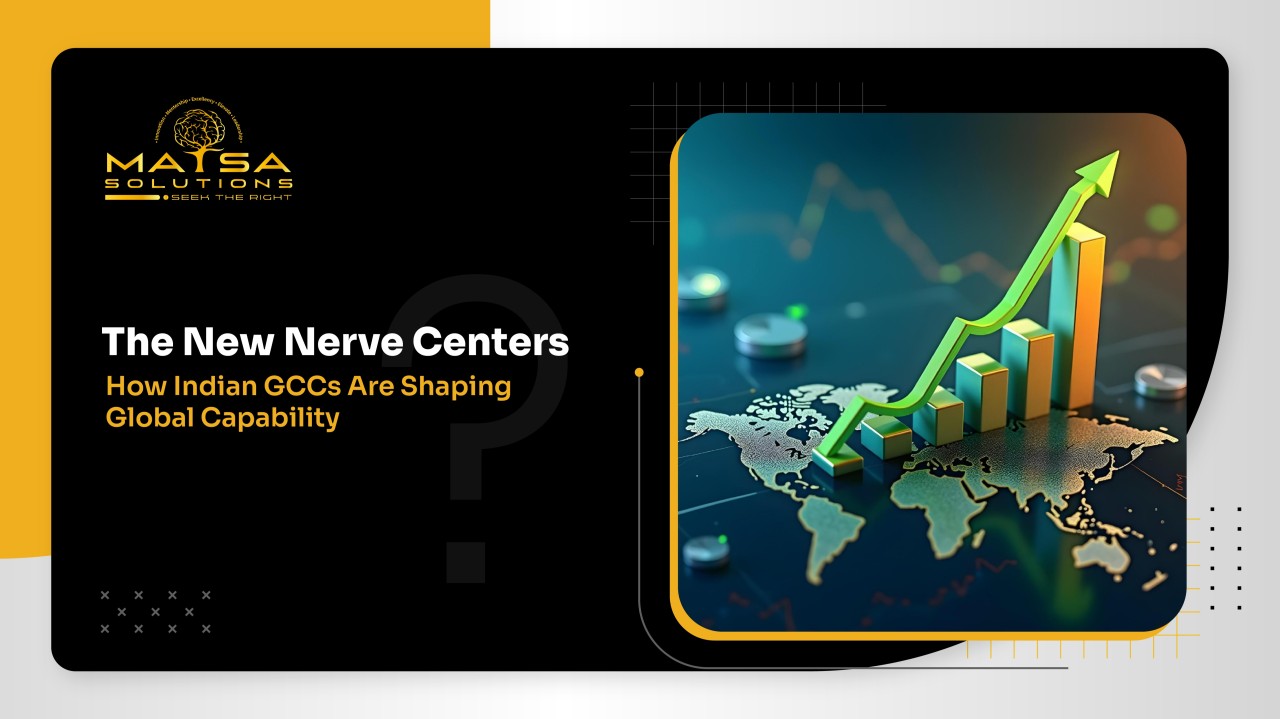
For years, the world viewed India’s Global Capability Centres through the narrow lens of cost efficiency. The assumption was simple: India was attractive because it was cheaper. That idea has quietly expired. What is happening in India now is far more significant.

Digital healthcare has moved from pilot projects to the center of how hospitals, clinics, and systems operate in 2025. Yet in consulting meetings, myths still surface myths that slow down progress and cloud judgment.

In today’s volatile business landscape, disruption is no longer an exception; it is the norm. Organizations across sectors face sudden market shifts, regulatory changes, consumer trust crises, and technology disruptions that can derail growth.
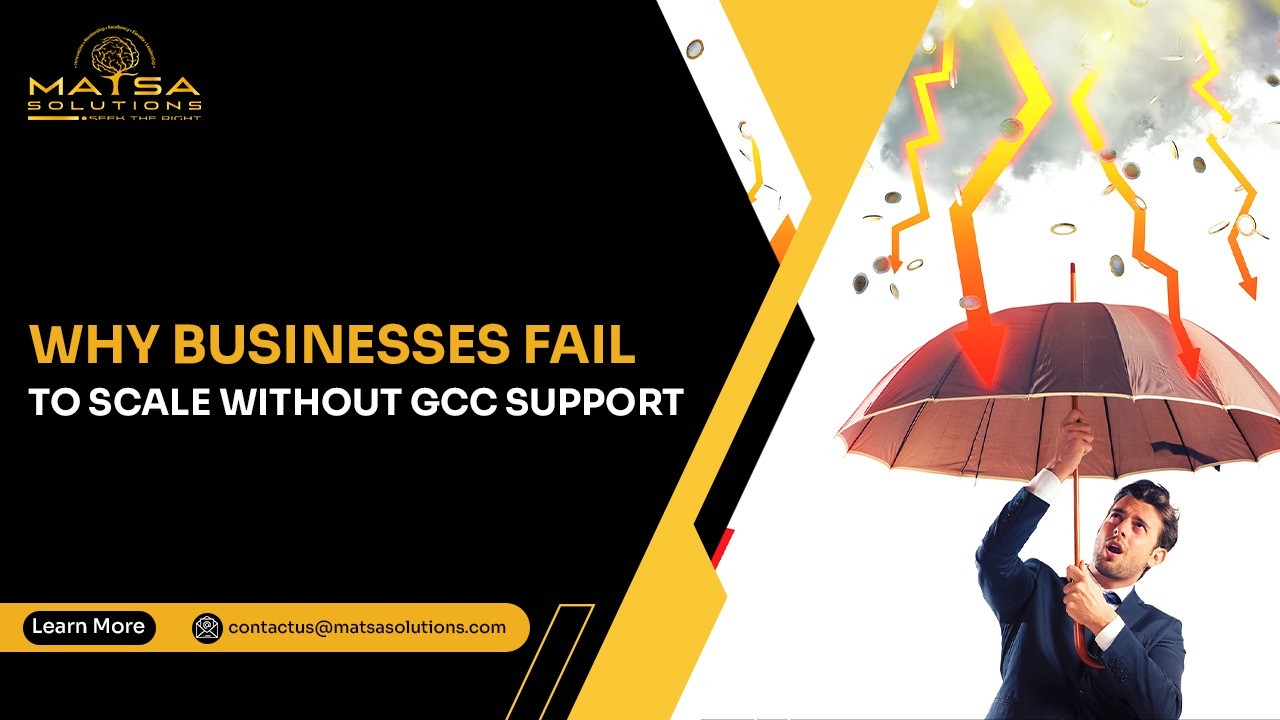
Scaling a business is not only about capturing new markets. It is about building a system that can expand without breaking. Many companies begin well but lose momentum when their operations, teams, and governance structures cannot keep pace with growth.

The business world in India is shifting toward leaders being the central voice of their companies. Customers now prefer to hear directly from the individuals driving strategy and vision, rather than from generic campaigns or scripted endorsements.

Over the past year, LinkedIn in India has been flooded with a new kind of post: dramatic, exaggerated, and instantly relatable. Posts that looked less like professional updates and more like Instagram reels written out as text began dominating attention.

The story of healthcare in 2025 is one of technology becoming inseparable from treatment. Hospitals, clinics, and care providers are no longer experimenting with digital tools on the side.
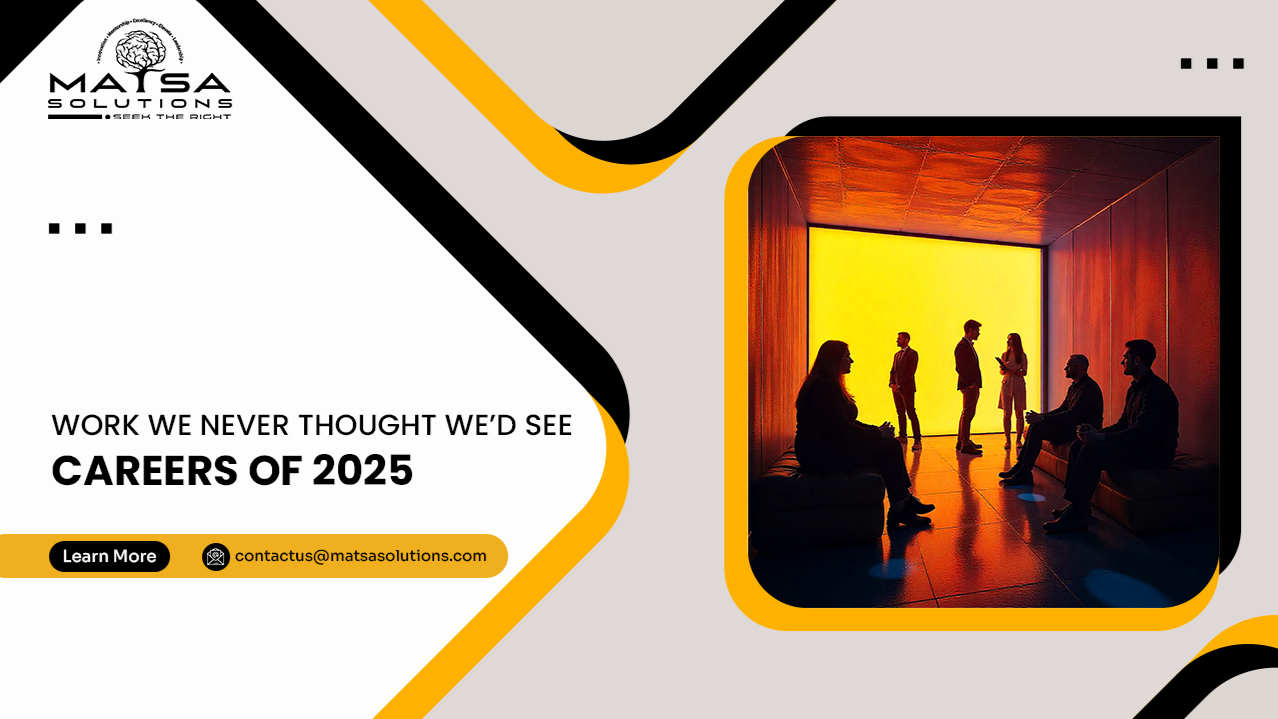
Five years ago, if someone had told you that companies in India would be hiring prompt engineers, AI Workflow architects, or semiconductor strategists, it might have sounded like science fiction.
Over the past two years, we’ve watched the way companies approach talent change in real time. Conversations with clients, candidates, and even peers in the industry keep circling back to the same theme: workforces are no longer built the way they used to be.
Over the last two decades, India has firmly established itself as the world’s Global Capability Center (GCC) capital, hosting more than 1,580 Centers for global enterprises.
In 2025, the business calculus behind Global Capability Centers is changing. Shifts in trade alignments and regional partnerships are forcing companies to rethink their location strategies.
India stands at the center of a remarkable paradox. The country is home to the world’s largest working-age population, yet businesses across industries are struggling to hire, train, and retain the right talent.
Scaling a Global Capability Center (GCC) can be one of the most transformative moves for a multinational company, but it often comes with a complex set of challenges.
By 2025, many mid-sized companies have come to face the same problem. They have strong products and loyal customers, but growth stalls because operations are scattered, talent is stretched, and digital execution is inconsistent.
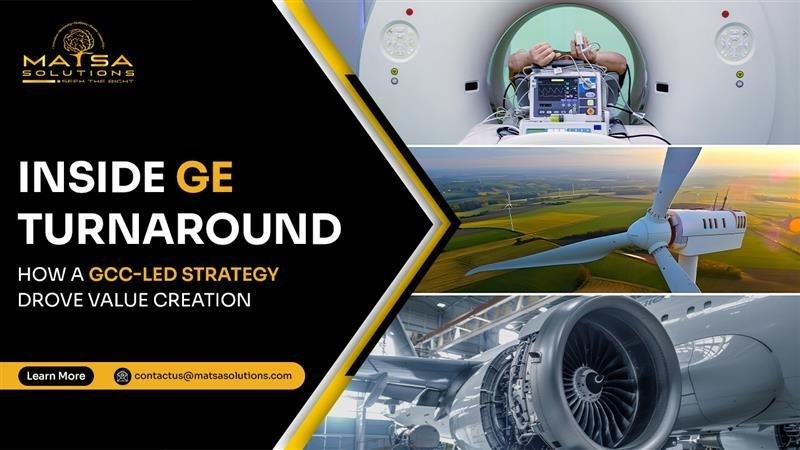
When one of America’s most iconic industrial giants, General Electric (GE), faced a decade of steep decline, the corporate world watched closely.

More than 60% of mid-sized businesses report a plateau in growth due to stretched teams, outdated systems, and misaligned processes.
India is no longer just a cost-saving destination. It has become the epicenter of strategic Global Capability Centers (GCCs) for some of the world’s most forward-looking enterprises

Business setbacks can arrive unexpectedly. Operations stall, strategies falter, and optimism turns into uncertainty. Yet, in the midst of these storms, there’s an opportunity to pause, reflect, and reimagine the path forward.
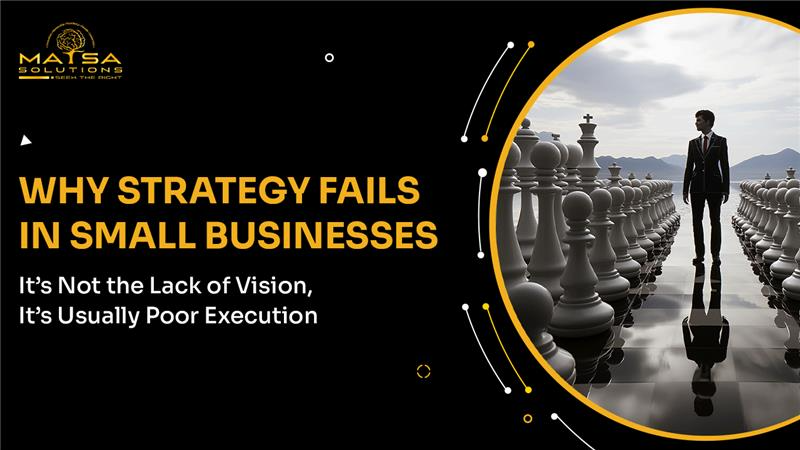
In the ever-evolving world of small businesses, developing a strategy is often viewed as the foundation for success. Leaders pour hours into defining their vision, setting ambitious goals, and mapping out plans to outpace competitors.
Businesses today are expected to move fast, stay efficient, and scale smart. But too often, growth gets blocked by complexity.
Management as a Service (MaaS) has become a game-changing approach for companies dealing with the challenges of scaling in today’s highly competitive environment.
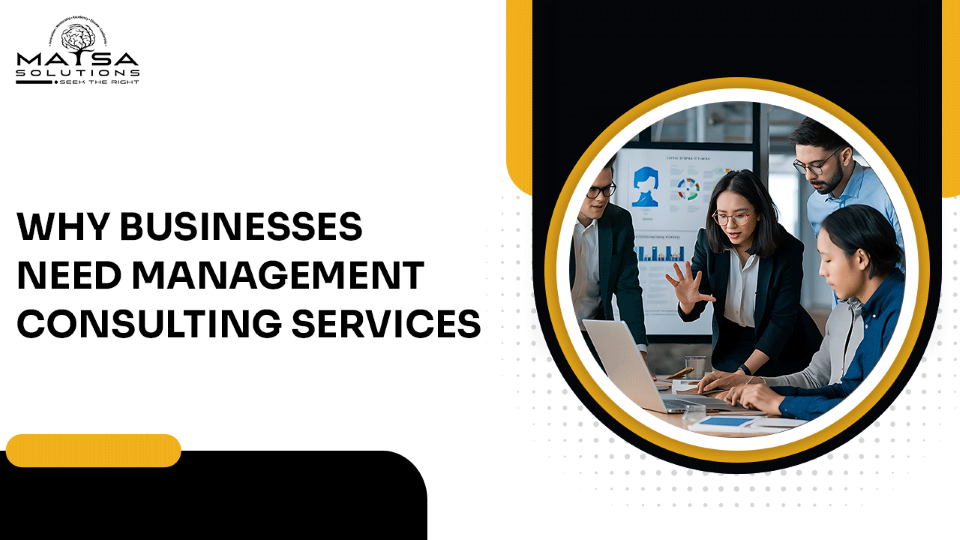
Organizations operate in environments of relentless complexity and accelerating change. Economic shifts, technological advancements, and evolving stakeholder expectations demand agility and precision.
In today’s fast-moving business world, staying competitive requires more than just good intentions. Companies need to identify gaps quickly, fix inefficiencies, and scale operations in a way that’s sustainable.
This case study examines the implementation of Management as a Service (MaaS) by three organizations a mid-sized manufacturing firm, a global retail chain, and a technology startup to highlight the tangible return on investment (ROI) and strategic benefits of this innovative management model.
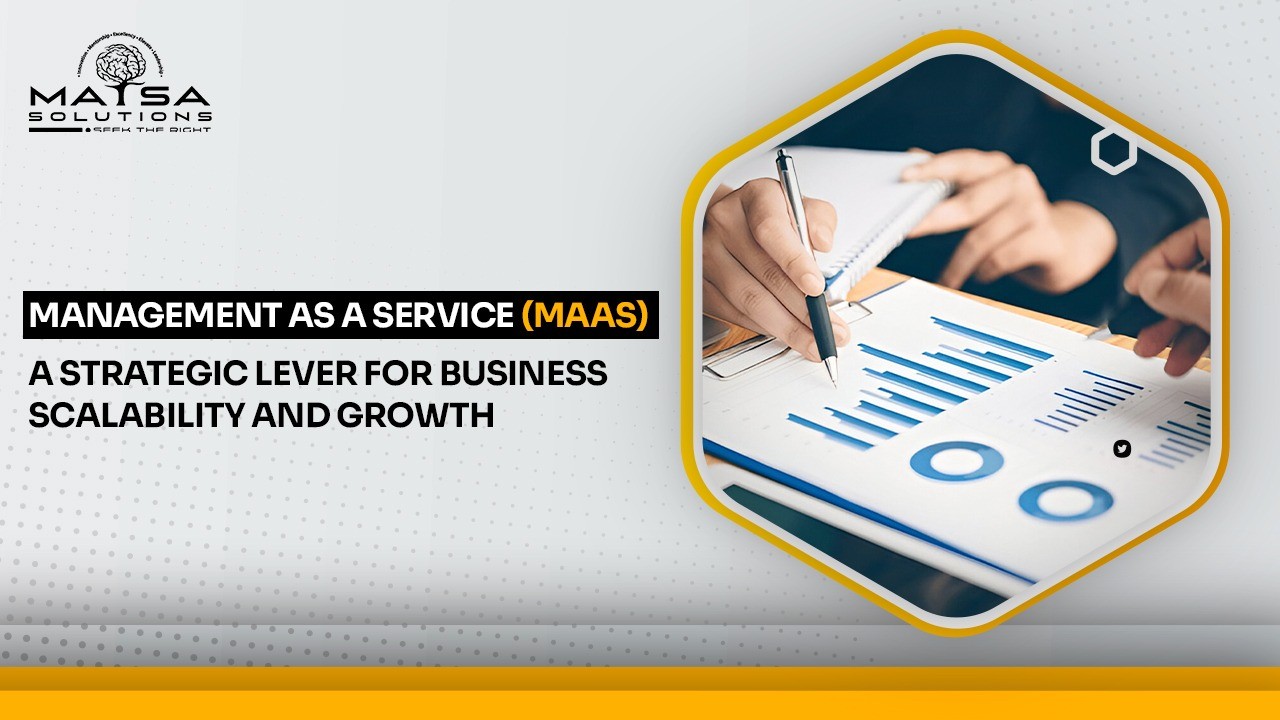
The demands on modern enterprises to scale efficiently, adapt to market shifts, and maintain competitive advantage have never been greater.
Global Capability Centers (GCCs) in India are redefining enterprise strategies, emerging as pivotal hubs for digital transformation and business growth.
In an era characterized by rapid technological evolution and intricate market dynamics, the ability to harness data effectively distinguishes thriving organizations from those striving to remain competitive.

In today’s fiercely competitive retail environment, making decisions based on data has shifted from being optional to absolutely essential.
For businesses aiming to excel in a connected global landscape, international expansion is now a strategic necessity rather than a mere aspiration.
A Singapore-based technology firm specializing in AI-driven cybersecurity solutions partnered with Matsa, a leader in management consulting and GCC services, to establish a Global Capability Center (GCC) in Bengaluru, India.
-is-the-Future-of-Business-Growth-in-2025.jpg)
In the fast-evolving landscape of 2025, businesses face unprecedented challenges driven by rapid technological advancements, shifting market dynamics, and increasing global competition.

In the competitive SaaS market, a mid-sized tech firm struggled with inefficiencies in customer relationship management and data handling, hindering scalability.
In 2025, businesses operate in a dynamic environment shaped by technological advancements, global competition, and shifting consumer demands.
In an era defined by rapid digital transformation and unrelenting global competition, organizations are seeking innovative ways to streamline operations and drive strategic growth.
The global business landscape demands relentless innovation to stay competitive, yet many organizations struggle to balance operational efficiency with transformative growth.

In today’s dynamic digital world, companies rely on SaaS tools to optimize workflows, boost productivity, and support business growth.
Global Capability Centers (GCCs) have evolved beyond their original function as cost-saving support units and now serve as key drivers of digital innovation and strategic growth.
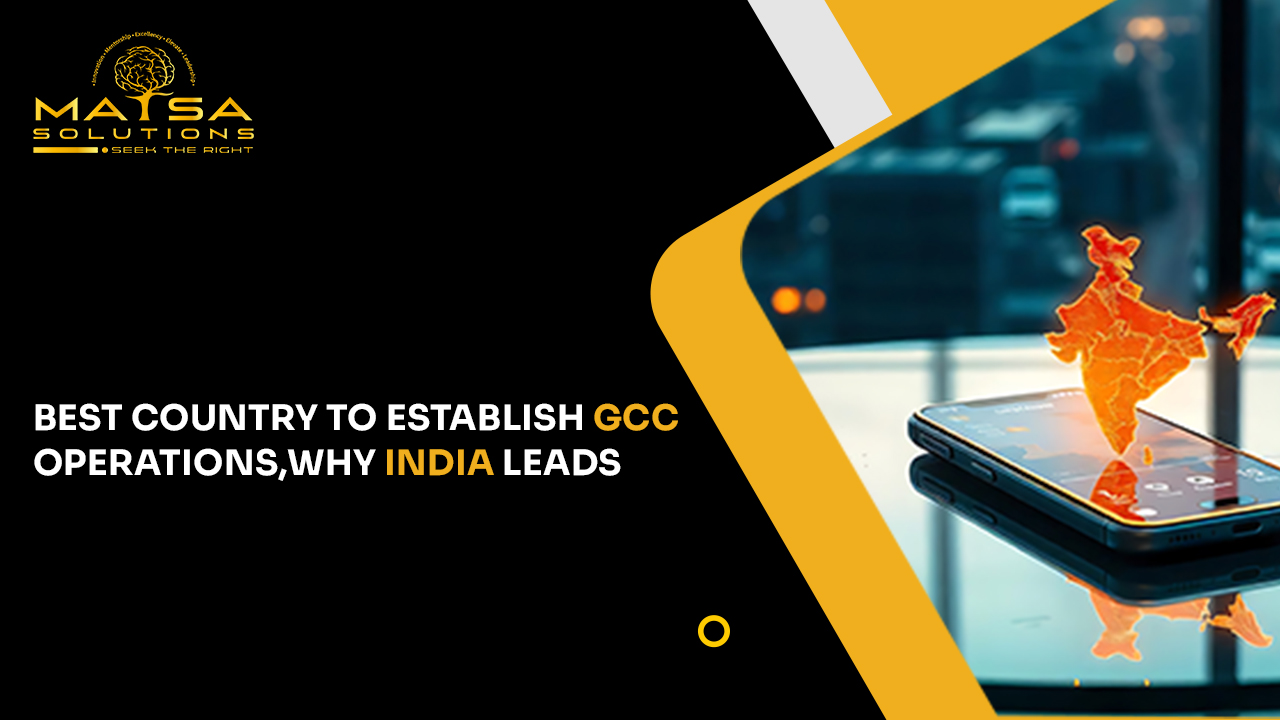
In today’s hyper-competitive global market, establishing a Global Capability Center (GCC) is a strategic move to drive innovation, streamline operations, and achieve cost efficiency.

A U.S.-based Cloud Solutions Provider with 25+ years of industry leadership sought to expand globally while maintaining cost efficiency and operational control.

In today’s hyper-competitive marketplace, a misstep in branding can cost you more than just sales, it can erode trust, dilute your message and leave you scrambling to rebuild reputation.

In 2025, the phrase “AI marketing trends soar” reflects a transformative shift in how businesses engage audiences. Artificial intelligence (AI) powers innovation in marketing, delivering personalization, efficiency, and measurable results.
Business leaders face relentless challenges like slashing costs, boosting efficiency, and keeping up with rapid technological advancements. Traditional outsourcing and reactive IT support models often fall short, leaving companies scrambling to stay competitive.
By 2030, India’s Global Capability Centers won’t just support business they’ll define it.

Global Capability Centers (GCCs) are supposed to reduce costs and boost efficiency. But in reality, many become expensive support functions that barely meet SLAs. Why? Because execution matters.
In today’s fast-paced market, running a company can feel like navigating a maze with a million things to manage. Founders and CXOs juggle sales, marketing, HR, finance, IT and more often wearing too many hats at once.
.jpg)
Companies continuously seek innovative strategies to streamline operations, minimize expenses and maximize profits. One increasingly popular solution is the Management as a Service (MaaS) model.
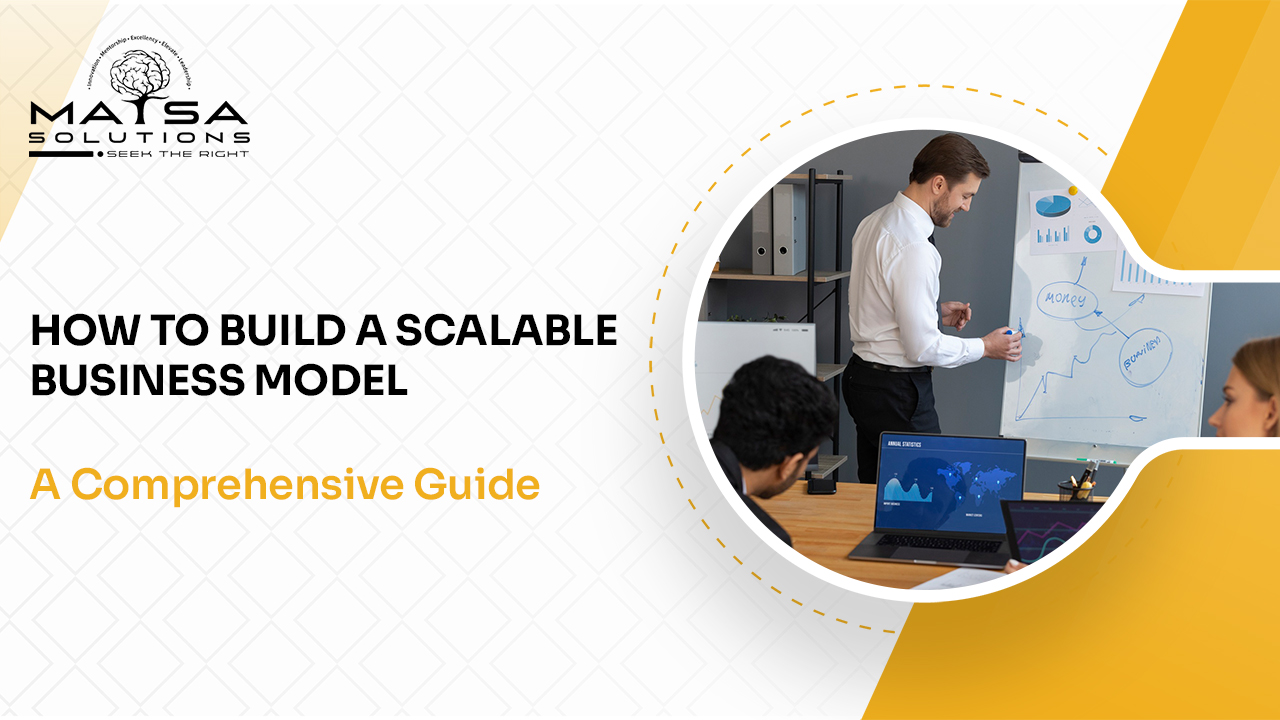
In 2025, business world is defined by chaos and adaptability. Today’s business environment is no longer predictable or linear it’s what the U.S. Army War College originally termed VUCA: Volatile, Uncertain, Complex and Ambiguous.
In today’s technology driven world, a robust digital presence is not just an option it’s essential for survival and growth. Yet many businesses continue to underestimate its importance, often suffering in silence as they lose out on potential customers, revenue and market relevance.
Starting a business is like climbing a mountain thrilling and full of promise, yet strewn with pitfalls. Despite the passion that fuels entrepreneurs, the harsh reality is that approximately 90% of startups eventually collapse. This statistic is not just a number; it reflects recurring issues that many founders face.
In today’s hypercompetitive global economy, businesses face a dual mandate: scale efficiently while innovating strategically. Traditional models like Shared Services Centers (SSCs) and Business Process Outsourcing (BPO) laid the groundwork for cost efficiency, but they often lacked agility.
Roadmap From Ideas to Implementation: Expert Management Consulting Advice for Aspiring Entrepreneurs
Your idea is a heartbeat waiting to breathe let it live before the world forgets to listen. In 2025’s dynamic business environment, turning a promising idea into a thriving enterprise requires more than just passion it demands a strategic approach, meticulous planning and insights from those who have mastered the art of entrepreneurship.
The business world is evolving at breakneck speed. What worked last year could already be outdated and simply maintaining the status quo won’t get you anywhere. If you’re serious about scaling your business and achieving unprecedented growth, you need a strategic, no nonsense approach.
Starting a startup is like embarking on an epic adventure. There are highs, lows, twists and turns. But what separates the startups that make it from those that don’t? It’s not just about having a great idea it’s about embodying the right characteristics at every stage of the journey. Let’s walk through the lifecycle of a startup, exploring the traits that define success, told in a story like progression.
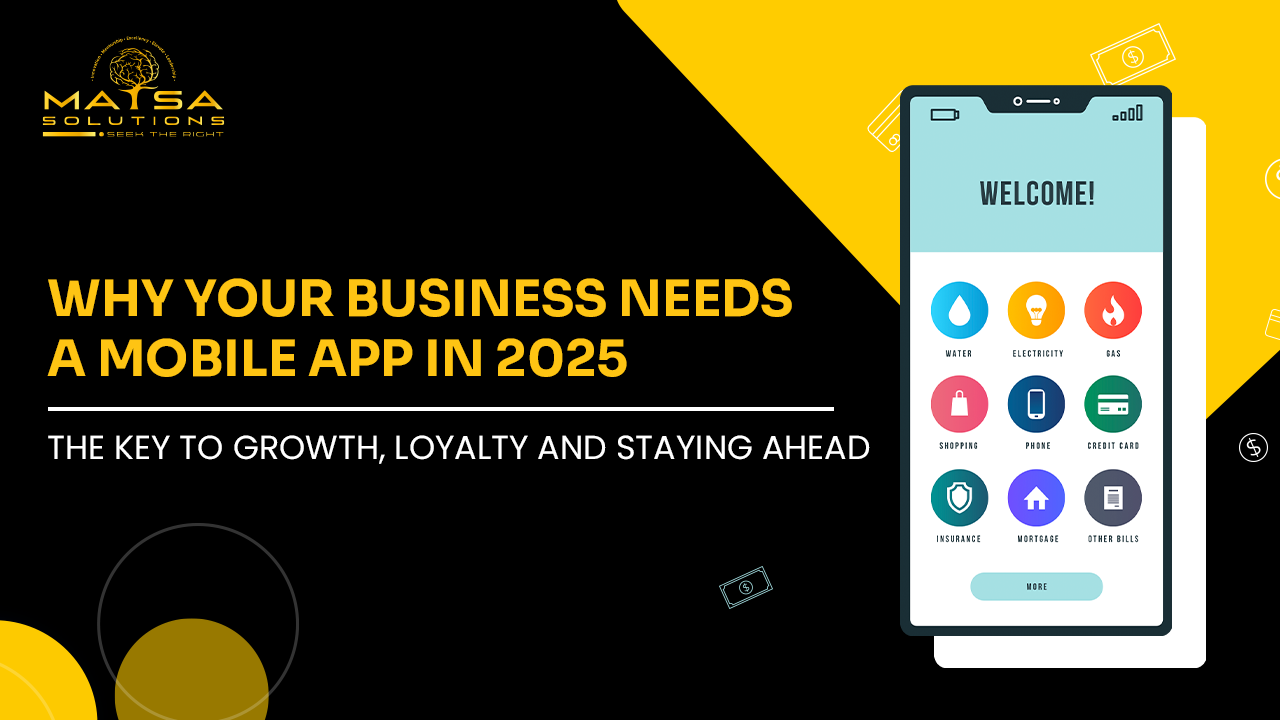
"Adapt or perish, now as ever, is nature's inexorable imperative." H.G. Wells. One of the most powerful tools for staying competitive and relevant in 2025? A mobile app. Whether you’re a small business or a growing enterprise, a mobile app isn’t just a luxury it’s a necessity. Here’s why.

In 2025, businesses cannot afford generic websites. A one size fits all approach fails to meet the unique demands of competitive markets. The problem? Off the shelf templates lack the flexibility, security and scalability needed to drive growth. The solution? Tailored web solutions.
In 2025, the corporate world faces a paradox: leaders are drowning in data driven strategies but starving for results. Research shows that 90% of companies fail to execute strategies effectively, not because their visions lack ambition, but because they lack the machinery to turn plans into profits.
 1.jpg)
Have you ever pondered why some business ventures thrive while others barely make it past the concept stage? The secret often lies in a step many entrepreneurs skip: the business feasibility study.
-Subscriptions.png)
Hey there, trailblazers and game changers! Let's dive deep into Management as a Service (MaaS), a trend that's not just about managing but revolutionizing how businesses operate.
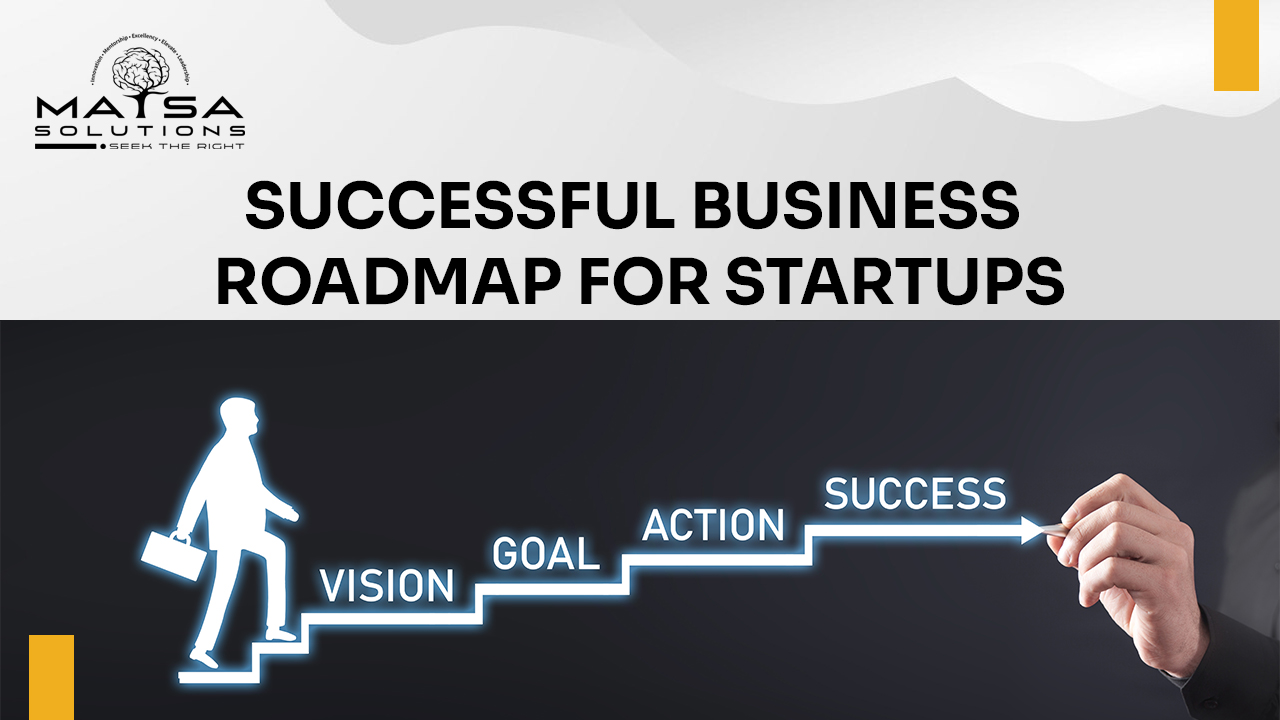
Starting a business could be seen as the act of capturing light ideas, visions and dreams and giving them form. It's about the process of turning the intangible into tangible, where your thoughts and efforts manifest into something that can be seen, felt and used by others.
Running a business today can feel like navigating a maze there are a million things to manage, from operations and growth to customer satisfaction and market competition. Every company faces unique challenges, but several core issues are common across businesses, regardless of size or industry.

The journey of turning a vision into a reality in today’s dynamic business landscape is no small feat. For organizations to thrive, they must balance strategic foresight with adaptive execution.

In the race to scale, many CEOs find themselves at a crossroads. The traditional model suggests that growth comes with a hefty price tag, hiring more staff, investing in costly infrastructure, or increasing operational overhead. But what if there’s a smarter way to grow, one that doesn’t drown your bottom line?

As we reflect on the constant challenge of growing revenue in today's fast paced business environment, one thing becomes clear: while acquiring new customers is always a priority, nurturing and extracting more value from existing customers is often the biggest opportunity.

If you've ever wondered why some businesses grow faster than others, the answer often lies in one key area: a well-designed sales funnel
You know there’s something valuable in there, but how do you start piecing together? At MATSA, we’ve learned that the most effective client acquisition strategies are those that blend real-world networking with digital savvy and, above all, a human touch

"Is doubling sales even possible in today's market?" It's a question we hear often. With rising costs, fierce competition, and ever-changing customer demands, aggressive growth can seem daunting

Let’s face it: achieving business growth isn’t about chasing one big goal. It’s about building a system,one that works for your business today and scales with you tomorrow
As we step into 2025, the business landscape is brimming with transformative trends that present fresh opportunities for growth.
Our journey began with one of our leading Client a charming store located in a vibrant neighborhood

Running a business comes with its own thrill freedom, creative control, and the satisfaction of seeing your ideas come to life
The future of content marketing is rapidly evolving. Changing consumer behavior, technological advancements, and emerging trends are all reshaping how brands connect with their audiences